August 3, 2026
Finding suspicious dark spots in your home can instantly trigger worry for any property owner. While these unsightly patches are annoying, figuring out whether you face harmless surface grime or serious fungal growth is essential. Mildew and mold are both fungi that thrive in damp areas, yet they differ significantly in severity and health risks. Learning to distinguish between these two invaders helps you respond appropriately before costly structural damage occurs.
Many homeowners mistake aggressive fungal outbreaks for simple surface discoloration, leading to ineffective cleaning attempts. In fact, according to Today's Homeowner, 70% of American residences harbor some degree of mold development. Because fungal spores spread rapidly through HVAC systems, ignoring early warnings can turn a minor issue into a major hazard. When a property owner overlooks these signs, hiring a professional mold remediation service often becomes the only reliable path to clean air. Inspecting your living space today can save you substantial time and money tomorrow.
Moisture control is the single most important factor in keeping your living space clean and healthy. High humidity levels, hidden plumbing leaks, and poor ventilation create ideal conditions for both mildew and deeper fungal growth. By recognizing the key traits of each fungus, you can respond with proper cleaning techniques or expert help. This comprehensive guide breaks down the visual signs, smells, growth habits, and solutions so you can protect your home.
Inspect Visual and Textural Differences
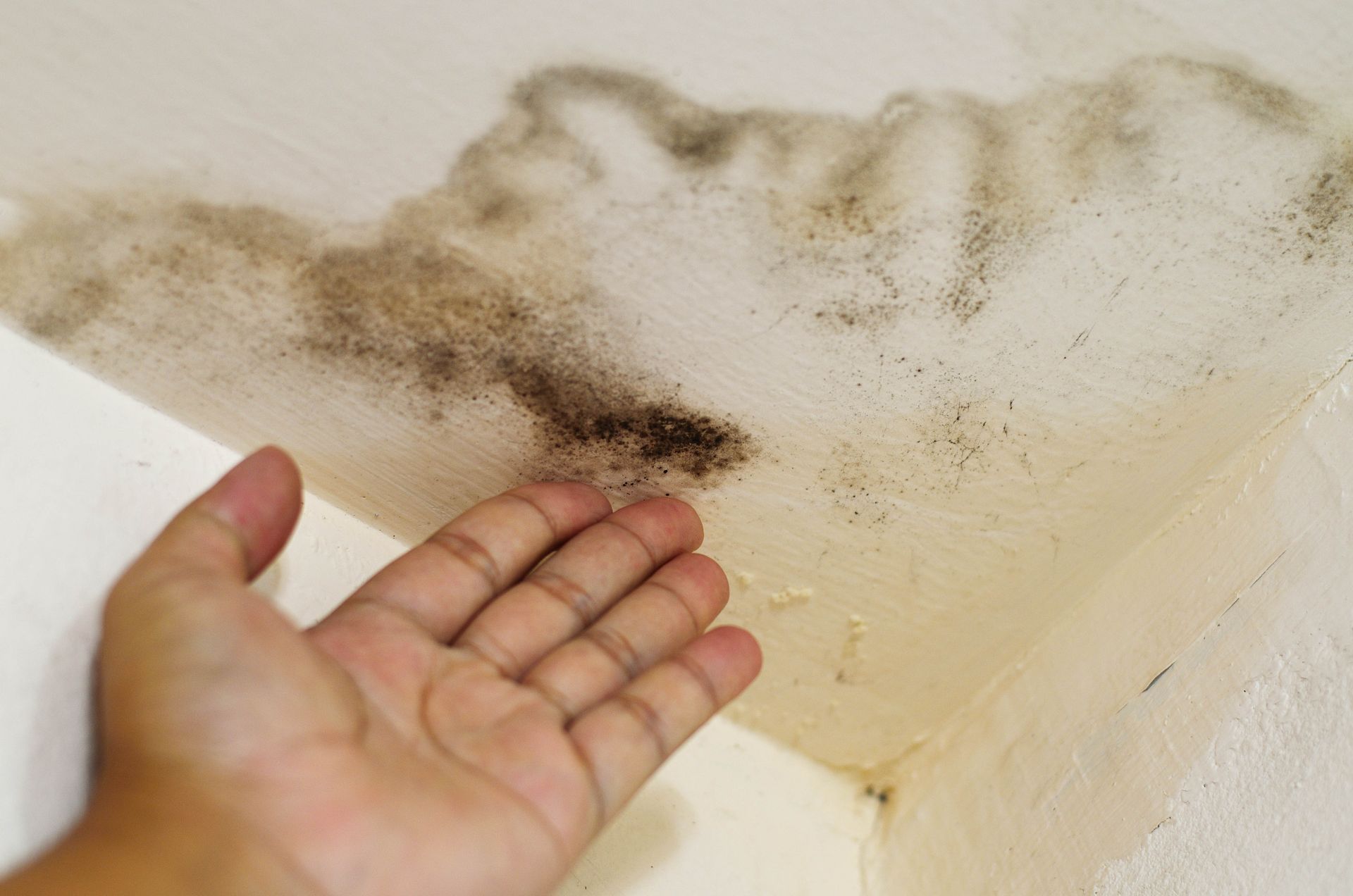
The fastest way to differentiate between these two organisms is by conducting a detailed visual examination of the affected surface. Mildew typically grows flat and appears as powdery white, light yellow, or gray specks on damp surfaces. Because it stays strictly on the top layer, it rarely causes permanent structural damage to building materials. If the growth looks raised, fuzzy, or slimy and presents dark green or black shades, you likely need a mold remediation service to assess the situation.
Texture provides another vital clue when you are identifying fungal growth in your living space. Mildew usually feels dry or powdery to the touch and wipes away easily with standard household cleaner. In contrast, mold penetrates deep into porous materials like drywall, wood, insulation, and carpet backing. This deep structure gives it a velvety or fuzzy texture that standard scrubbing cannot eliminate. Attempting to scrub deep-rooted fungi without containment often scatters microscopic spores throughout the surrounding indoor air.
Examining the edge patterns of discoloration also offers valuable clues regarding the specific organism at work. Mildew tends to spread in small, isolated circular patches that remain relatively stable over time. Mold growth expands rapidly in irregular, sprawling colonies that penetrate far beyond what is visible. When deep-rooted infestations spread across extensive areas of drywall, consulting a certified mold remediation service guarantees complete removal from porous materials.
Recognize Distinct Odors and Health Symptoms
Smelling the affected area can provide strong evidence even when fungal growth is hidden behind walls or beneath flooring. Mildew produces a light, damp scent that closely resembles wet socks left in a gym bag. While unpleasant, this odor is generally mild and usually dissipates once the surface is thoroughly cleaned and dried. On the other hand, mold releases a pungent, earthy, and intensely musty odor that persists despite continuous ventilation. This overpowering stench occurs because mature fungal colonies emit volatile organic compounds during active growth.
The intensity of physical health symptoms among household occupants can also help you identify which fungus is present. Exposure to basic mildew may trigger mild sneezing, slight eye irritation, or temporary nasal congestion in sensitive individuals. However, persistent exposure to hidden fungal colonies can cause severe allergic reactions, chronic coughing, respiratory infections, and persistent headaches. Contacting an experienced mold remediation service ensures that hazardous spores are contained before they exacerbate respiratory conditions among family members.
Vulnerable populations, including young children, the elderly, and immunocompromised individuals, react far more severely to airborne toxins. Certain fungal strains produce harmful mycotoxins that contaminate indoor air and pose long-term health risks if left unaddressed. If family members experience unexplained health symptoms that improve when leaving the house, hidden contamination is likely present. Addressing these health indicators early prevents chronic exposure and helps maintain a safe environment for everyone.
Evaluate Preferred Growth Environments and Surfaces
Understanding where these organisms prefer to grow makes it much easier to determine what type of issue you face. Mildew thrives predominantly on smooth, non-porous surfaces that experience high humidity and frequent moisture exposure. You will commonly find it on shower curtains, tiled bathroom walls, window sills, and exterior plant leaves. If you discover fungal growth on porous materials like ceiling tiles or insulation, calling a mold remediation service is highly recommended.
Porous substrates absorb water rapidly, creating the perfect environment for deep fungal root structures to establish themselves. Wood framing, drywall, carpeting, and cardboard boxes stored in damp basements are primary targets for aggressive colonies. Once root systems penetrate these materials, surface cleaning will only provide a brief, temporary cosmetic fix. Growth will inevitably return as long as internal moisture remains trapped within the core of the building material. Resolving the underlying moisture source is therefore mandatory before any permanent cleanup can be achieved.
Ambient moisture levels in your home play a decisive role in determining which organism will dominate the space. Relative humidity levels between fifty and sixty percent encourage surface mildew on damp bathroom fixtures. Higher humidity levels combined with stagnant air create exact conditions necessary for destructive fungal outbreaks. Scheduling a professional mold remediation service allows specialists to evaluate indoor moisture levels and eliminate hidden reservoirs behind walls.
Choose Effective Treatments and Preventative Steps
Eradicating surface mildew is a straightforward process that most homeowners can handle independently with basic supplies. Spraying the area with distilled white vinegar or commercial cleaner breaks down the light surface layer quickly. After scrubbing the surface thoroughly, drying the area completely prevents spores from returning to the same spot. Maintaining proper air circulation with exhaust fans in kitchens and bathrooms prevents future surface growth from establishing.
Severe fungal growth requires a far more strategic approach to ensure permanent elimination and structural safety. Attempting to bleach structural mold often fails because liquid bleach cannot penetrate deep into porous wood or drywall. Relying on an expert mold remediation service guarantees that specialized equipment like HEPA air scrubbers and containment barriers are used effectively. Technicians isolate contaminated zones so that microscopic spores do not escape into unaffected areas of your residence during cleanup. This systematic containment strategy protects your indoor air quality throughout the entire restoration process.
Long-term prevention requires a proactive approach to indoor moisture management across all seasons of the year. Installing high-capacity dehumidifiers in basements and crawl spaces keeps relative humidity levels consistently below fifty percent. Promptly repairing roof leaks, leaking plumbing fixtures, and foundation cracks deprives fungi of the water required to survive. Ensuring proper attic and crawl space ventilation maintains healthy airflow, protecting structural integrity year after year.
Knowing the distinct differences between surface mildew and deep-rooted fungal growth is essential for protecting your home and health. Mildew remains on the surface and can usually be eradicated with routine household cleaning products and improved ventilation. Deeply embedded fungi pose a structural threat that demands immediate, specialized intervention to prevent costly property damage. Paying close attention to color, texture, smell, and growth locations empowers you to address moisture problems before they escalate.
Taking proactive steps today prevents costly repairs and safeguards your family from airborne health hazards in the future. Regular inspections of high-moisture areas ensure that small biological issues are identified before they spread throughout your living space. When simple remedies fail to eliminate persistent odors or expanding spots, professional expertise ensures your home stays safe and clean. Partnering with a certified mold remediation service gives you total peace of mind that your indoor environment is completely restored.
At Pure Maintenance of Colorado, we deliver advanced, non-destructive remediation solutions for light contamination scenarios or to improve your air quality while you prepare for a more involved remediation. Our VaPURE treatment is designed to eradicate high spore counts and restore healthy air to your home. When more involved remediation is required, you can rely on our IICRC-, MICRO-, and NORMO-certified technicians to take the right precautions to remediate your home properly. Contact us today to schedule your comprehensive inspection and let our dedicated team help safeguard your living spaces for years to come.